
The Bird in the Room
In the quiet room, a bird sings softly.
to a Roman likeness, epitaphium in a tomb,
its song whispers through the poet’s home.
On Romney St., the man stands tall and proud,
an Italian chest holds secrets hidden,
a Castilian’s dream is by time unbidden.
Where the cobbler in Willow Street toils,
Monseigneur plays a French clock’s chime,
Echoing whispers from another time.
Near Auvergne’s caves and ancient graves,
the bird in the room sings a timeless tune,
under painted stars, in the candle-lit room.
The bird’s song lingers, dispelling the gloom,
as hansom cabbies on cobbled stones ride,
through streets where history and the present collide.
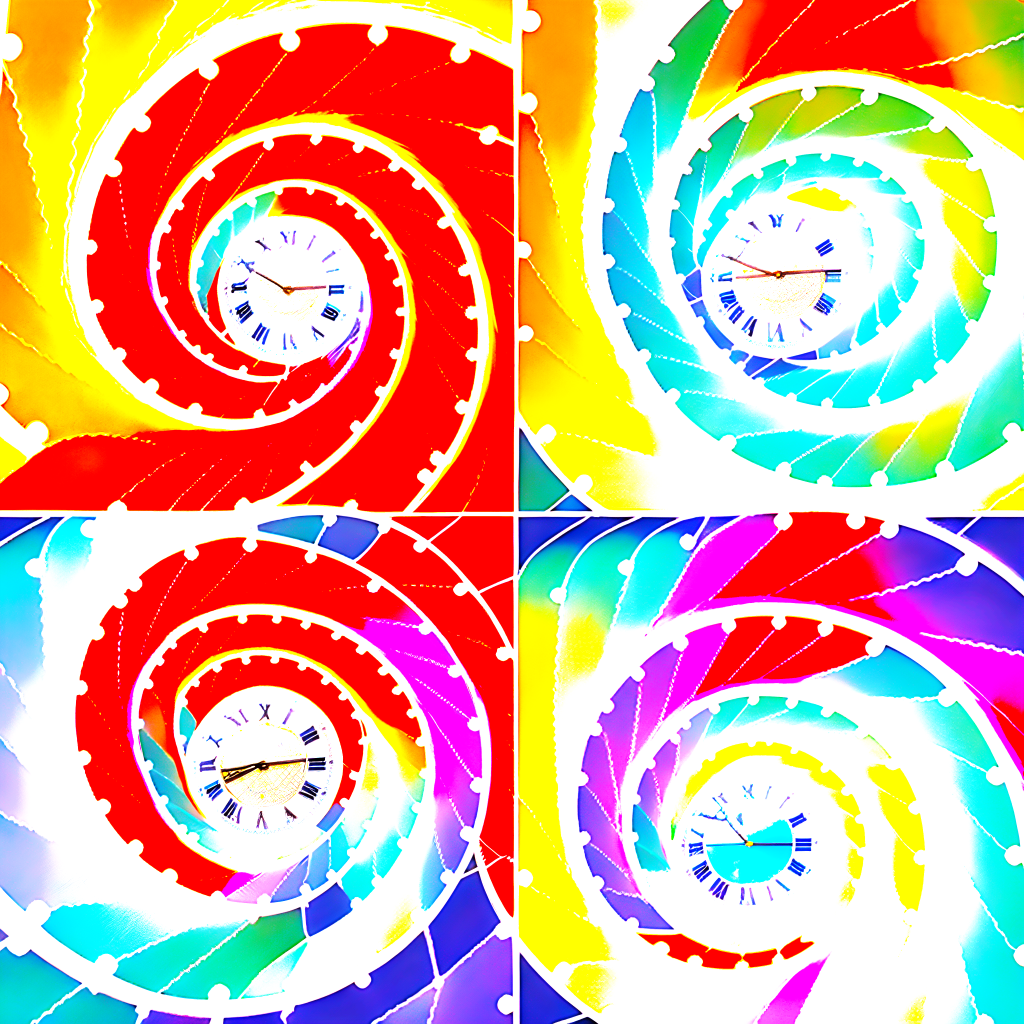
The Bird in the Room is a layered poetic meditation that blends historical resonance, spatial intimacy, and constraint-based innovation. Composed as part of a “Table of Contents” constraint poetry project, the poem draws its structure and inspiration from a 1925 anthology, using chapter titles as thematic anchors to build a new, original work. This method—reminiscent of Oulipo and other constraint-driven literary movements—transforms archival material into a living poem, where each line is both a reference and a reinvention.
At its heart, the poem is a quiet elegy. The opening line—“In the quiet room, a bird sings softly”—establishes a tone of introspection and stillness. The bird becomes a metaphor for memory, voice, time, and the poet’s own consciousness. Its song is not loud or declarative; it is soft, persistent, and haunting, like a cuckoo clock bird. The reference to “a Roman likeness, epitaphium in a tomb” evokes classical imagery, suggesting that the bird’s song is from antiquity, echoing through the poet’s home like a relic.
As the poem moves through geographic and cultural references—Romney Street, an Italian chest, a Castilian dream—it constructs a mosaic of European memory. These are not random locations; they are symbolic waypoints in a journey through time and identity. The Italian chest “holds secrets hidden,” while the Castilian dream is “unbidden by time,” suggesting that history is preserved in dreams and desires that transcend chronology. The poem’s spatial movement—from street to room, from cave to clock—mirrors the bird’s flight, weaving through layers of personal and collective history.
The stanza set in Willow Street introduces labor and ritual: “Where the cobbler toils” and “Monseigneur plays a French clock’s chime.” These lines evoke the rhythms of daily life, but also the ceremonial passage of time. The clock’s chime is “echoing whispers from another time.” Here, the poem blurs the boundary between the mundane and the mystical—even the most ordinary acts are imbued with historical weight.
Near Auvergne’s caves and ancient graves, the bird’s song becomes “timeless,” sung “under painted stars, in the candle-lit room.” This image fuses prehistoric and poetic time: the caves recall Paleolithic art, while the candle-lit room evokes Romantic solitude. The bird, unchanged by centuries, becomes a symbol of continuity—a voice that persists through eras of silence and upheaval.
The final stanza expands the poem’s scope, connecting the intimate interior to the bustling exterior. “Hansom cabbies on cobbled stones ride / through streets where history and the present collide.” This collision is central to the poem’s ethos. It does not seek to escape the present, but to understand it through the lens of the past. The bird’s song “lingers, dispelling the gloom,” suggesting that memory, when voiced, can be a source of light.
As a constraint poem, The Bird in the Room exemplifies how formal limitations can generate profound creative freedom. By using chapter titles from a 1925 anthology, the poet engages in a dialogue with literary history, recontextualizing archival fragments into a cohesive, emotionally resonant whole. The constraint is a frame, allowing the poet to explore themes of time, place, and identity with precision and depth. The bird in the room is a witness, a guide, and a voice—singing softly through the corridors of memory.

 WoPoLi
Leave a comment