
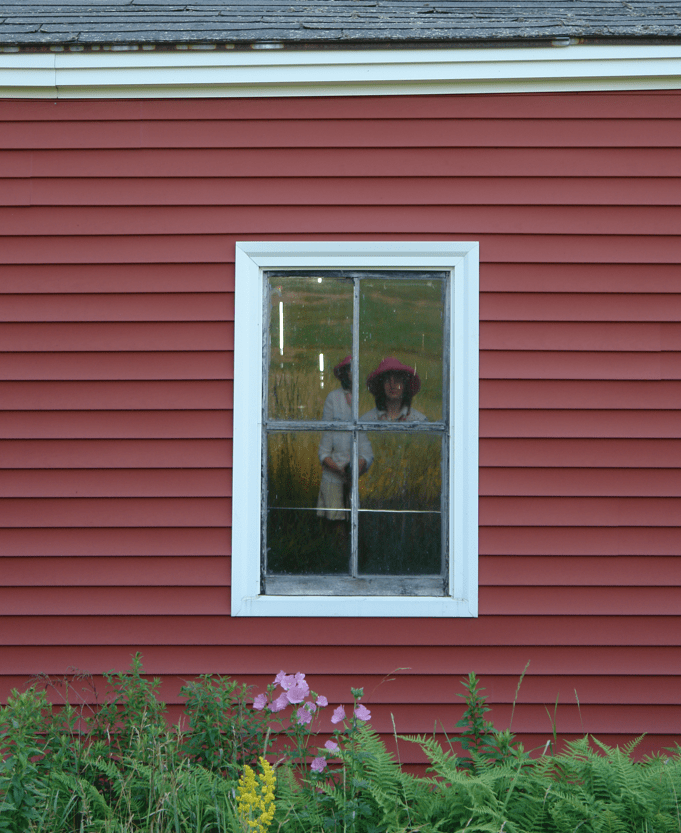
Nature: Double Entendre
Wild Seeds
Should I go to market–
or instead, dig the dirt.
My soul is buried in dirt.
I harvest the wild seed
that I gathered in my travels.
Others mock me.
They go to market to buy their produce.
But the market seeds
won’t grow for me.
GMO you know.
I plant my seeds
and water them with my tears.
Others mock my cliche
as they eat the market produce.
Weeks, months, sometimes years–
I toil–waiting for the flower.
I wither to bones
as I eat dirt.
Others laugh with bellies full
of the market produce they bought.
Finally–my first yield.
It is small,
but my soul is fed.
Nature: Personification
My Florida Green Eyes
I fell in love with a flower, guys,
as soon as I looked into her green eyes.
I found her smelling of chocolate,
in a native Florida flower shop.
From spring ‘till the first frost,
she bloomed for me, then was lost.
If only you could have seen her,
in her yellow ruff and short crop,
Her sister’s name was Daisy, and boys–
she drove me crazy!
Wearing her carrot bottoms
with a green s–leafed top!
I wanted to bring her home,
but she wouldn’t leave her roots to roam,
and being wild,
she wouldn’t do well in a pot.
Nature poetry is a timeless genre that centers on themes, emotions, and imagery drawn from the natural world. At its core, it reflects humanity’s relationship with landscapes, wildlife, weather, and wilderness, capturing both the beauty and the power of nature. The form can range from simple, direct observations—such as poems about rain or rainbows—to more complex meditations that blend with other poetic forms, including haiku, sonnets, or free verse. In essence, nature poetry is poetry that draws from nature as its primary subject and source of inspiration, offering readers a portal into both external environments and inner emotional landscapes.
However, the concept of “nature” is fluid and historically shaped. Early nature poetry often idealized the natural world as a place of purity or retreat, a realm untouched by human influence. Modern nature poetry, by contrast, frequently explores the intertwined relationship between humans and their environment, reflecting cultural values, social ideologies, and environmental concerns. Contemporary poets may also use terms like “green poetry” or “environmental poetry” to emphasize ecological awareness and responsibility, acknowledging that nature is not separate from human life but intimately connected to it.
Sarah B. Royal’s approach to nature poetry exemplifies this richness and complexity. In her work, she explores the natural world not only for its aesthetic beauty but also as a mirror for human experience and emotional depth. In the poem Wild Seeds, she merges vivid natural imagery with personal metaphor:
Should I go to market—
or instead, dig the dirt.
My soul is buried in dirt.
I harvest the wild seed
that I gathered in my travels.
Through this poem, Royal highlights the contrast between commercialized, artificial produce and the rewards of patient, hands-on labor in nature. The repeated focus on digging, planting, and nurturing seeds conveys a deeply personal and meditative connection to the earth. The poem’s rhythm and pacing—sometimes slow, reflective, and drawn-out—mirror the slow growth of the wild seeds themselves. By using nature as a lens, Royal examines perseverance, patience, and the satisfaction of cultivating something authentic, even in the face of mockery or societal impatience. The final lines—“Finally—my first yield. / It is small, / but my soul is fed”—capture a moment of triumph and spiritual nourishment, showing how engagement with nature can also nurture the human spirit.
Royal also demonstrates her skill with personification in nature poetry, giving natural elements human qualities that deepen emotional resonance. In My Florida Green Eyes, a native flower becomes an object of affection and desire:
I fell in love with a flower, guys,
as soon as I looked into her green eyes.
I found her smelling of chocolate,
in a native Florida flower shop.
Here, the flower’s attributes—its scent, colors, and growth patterns—are described with human-like personality, creating intimacy and charm. Royal blends humor, whimsy, and observation, presenting the natural world as both playful and poignant. The flower’s independence—“she wouldn’t leave her roots to roam”—echoes themes of freedom, individuality, and respect for the natural world’s autonomy. Through personification, Royal transforms a simple botanical encounter into a narrative of longing, attachment, and understanding.
Across these examples, Sarah B. Royal’s nature poetry exemplifies how the genre can engage readers on multiple levels. It is simultaneously visual, tactile, emotional, and symbolic. By exploring the physicality of the earth, the growth of plants, and the personalities of natural elements, Royal invites readers to reflect on the intersections between human life and the environment. Her work encourages mindfulness, patience, and reverence, showing that engagement with nature can provide insight, solace, and creative inspiration.
In conclusion, nature poetry is not just about landscapes or wildlife; it is about human experience mediated through the natural world. Sarah B. Royal’s poetry demonstrates the genre’s enduring relevance, using imagery, metaphor, and personification to explore patience, emotional depth, and interconnectedness. Whether through the cultivation of wild seeds or the whimsical intimacy of a flower, her work reminds us that nature is a source of beauty, reflection, and spiritual nourishment—a mirror to both the external and internal worlds we inhabit.

 WoPoLi
Leave a comment