
Read the Old History Books
Read the old history books, my dear,
Where triumphs and sorrows intertwine,
Within the pages, a treasure trove you’ll embrace.
Within their pages, treasures appear—
A wealth of knowledge, a past enshrined.
Triumphs and sorrows interweave with grace,
Discover the burdens that history bears,
Embrace the truths, both bright and grim,
Discover the troubles that burden the soul.
In forgotten tales, humanity shares,
wisdom and wonder in each old hymn.
Do not fear truths, different realities make us whole.
Do not judge by today’s narrow view,
For history’s essence lies in its fray.
History whispers, in truth and tales, soft-spoken.
Feel the echoes of voices true.
Connect with the past, let wisdom display.
Shape the world we live in, let history be unbroken.
As you traverse the passages, time’s grip shall sever,
no boundaries shall constrain, nor borders confine,
Connect with generations, their wisdom amassed,
immersed in the complexity of lives you’ll endeavor.
Within the pages, freedom’s essence shall shine.
Feel the echoes of their voices, profound and vast.
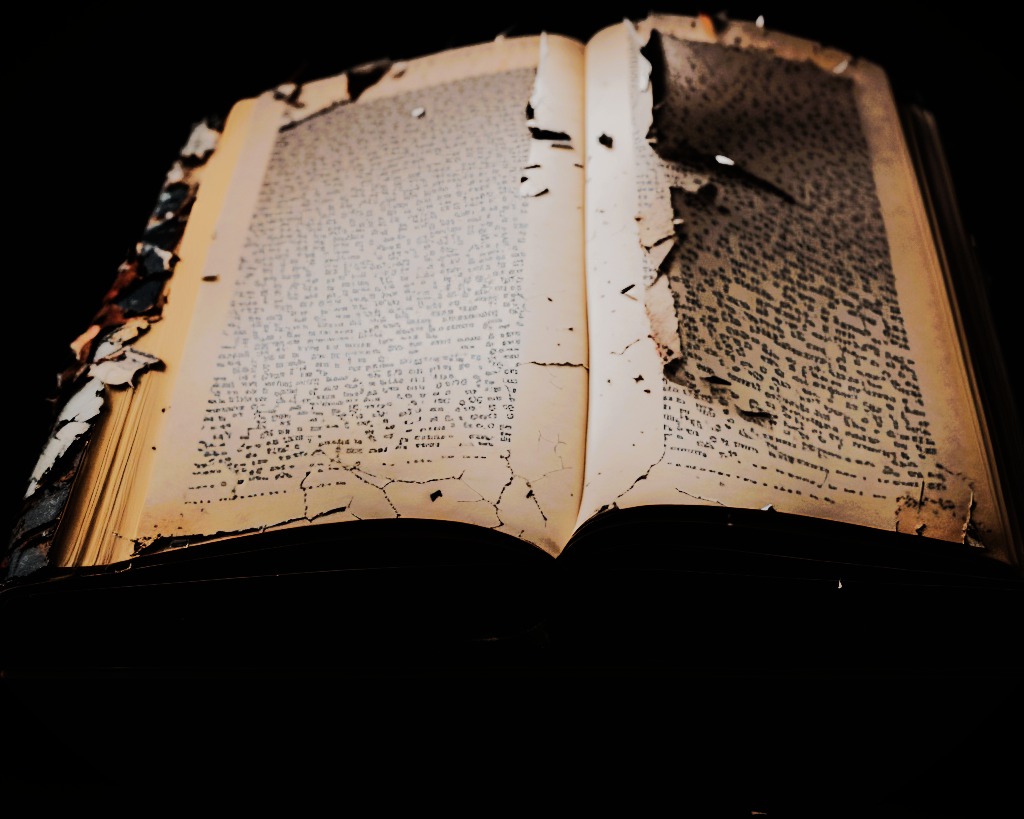
In the aftermath of 2020—a year marked by global upheaval, political polarization, and media saturation—many artists turned to poetry as a means of cultural resistance. The poem presented here, drawn from this turbulent period, serves as a personal reflection and a political warning. It urges readers to preserve and engage with history in its original tellings, resisting the impulse to sanitize, erase, or reinterpret the past through the lens of contemporary ideology. In doing so, it becomes a powerful example of autobiographical advocacy poetry, where personal conviction meets public discourse.
The poem opens with a gentle but urgent invitation: “Read the old history books, my dear…” This line sets the tone for a deeply intimate appeal, as if from one generation to the next. It frames history not as a static record, but as a living archive—“a treasure trove” where “triumphs and sorrows intertwine.” The poet emphasizes that within these pages lies a wealth of knowledge, not just facts, but emotional truths and moral complexities. This is a call to embrace nuance, to resist the binary narratives often promoted in times of ideological fervor.
Post-2020, the political climate in the United States and beyond became increasingly divisive. The rise of media-driven narratives—often amplified by social platforms—created echo chambers where historical context was flattened, and symbols of the past were reinterpreted or destroyed. Statues were toppled, books were banned or rewritten, and films were reevaluated through modern lenses. These actions were dangerous erasures as “different realities make us whole,”. The burdens of history must be acknowledged, not erased.
The poet’s voice is reflective. Lines like “Do not judge by today’s narrow view” and “History whispers, in truth and tales, soft-spoken” suggest that the past cannot be understood through the moral absolutism of the present. Instead, the poem advocates for historical empathy, encouraging readers to “connect with the past” and “feel the echoes of voices true.” a plea for continuity—for learning from history rather than rewriting it.
The poem’s structure reinforces its message. Each stanza builds upon the previous, moving from personal invitation to philosophical reflection, and finally to a broader cultural vision. The closing lines— “Within the pages, freedom’s essence shall shine / Feel the echoes of their voices, profound and vast”—position history as a source of liberation. The poet suggests that by immersing ourselves in the complexity of lives once lived, we gain the wisdom to shape a more thoughtful and inclusive future, despite past oppression. In fact, in remembering, we educate ourselves towards a better future.
In this way, the poem functions as political advocacy through poetic form. It critiques the post-2020 climate of ideological extremism and media manipulation, while offering a constructive alternative: the preservation and study of history in its full, unvarnished truth. It reminds us that the past is not a battleground for cultural dominance, but a mirror through which we understand ourselves and each other.
This poem calls for intellectual courage. It asks readers to resist the allure of simplified narratives and to engage with the past in all its beauty and brutality. In doing so, it affirms that poetry can be a force for cultural preservation—a way to honor the voices of those who came before, and to ensure that their stories remain part of our shared human inheritance.

 WoPoLi
Leave a comment