
The Roadside Flowers
In the soil where the Lord God’s hands did sow,
blossoms to adorn every earthy space,
a garden on Earth where life begins to grow.
Here, the Lord God planted his seeds of grace,
The Rose, regal, reigns supreme,
beneath the gaze of the sun’s warm light,
In its petals, is heavens cherished dream
as blossoms burst forth, painting day from night.
The Rose, a regal, given as a symbol of grace,
amongst Barberries, blush with hues divine,
commands attention in this divine place.
As Bluebells, like church bells chime.
Crocus emerge, heralds of the spring,
Lilac stands tall, in purple attire,
Daffodils dance as the zephyrs sing.
Nettles entwine, a verdant spire.
Though a yellow pansy is a splash of hue,
in this garden, where life’s wonders play,
Though Italian poppies show with petals true.
The Rose reigns supreme, in the light of day.
Snowdrops peek through the winter’s chill,
and God, the gardener, tends with care,
the Blue squills that nod on the distant hill
and each petal, each leaf, in the fragrant air.
As Sunflowers stretch, their faces aglow,
and we, as roadside flowers, humble and free,
the White violets whisper secrets we know,
that God made this garden for you and me.
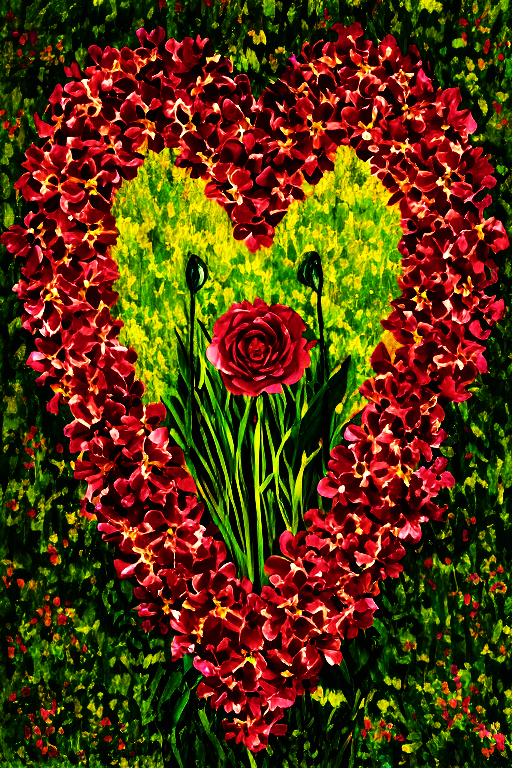
The Roadside Flowers is a radiant example of constraint-based poetry that blends spiritual reverence, botanical imagery, and archival innovation. Composed using the “Table of Contents” constraint method, the poem draws its structure and thematic inspiration from a 1925 poetry anthology. By organizing chapter titles by theme and transforming them into a cohesive poetic narrative, the poet creates a work that is both historically rooted and freshly expressive. The result is a lyrical meditation on creation, beauty, and the divine presence in nature.
The poem opens with a sacred invocation: “In the soil where the Lord God’s hands did sow…” This line immediately situates the reader in a theological framework, where the Earth itself is a garden planted by divine hands. The metaphor of God as gardener is central to the poem’s ethos, suggesting that every flower, every blade of grass, is a deliberate act of grace. This spiritual lens elevates the natural world from mere scenery to sacred text—each bloom a verse in a divine poem.
Throughout the poem, flowers are not just named—they are characterized, each with symbolic weight. The Rose, described as “regal” and “a symbol of grace,” becomes the poem’s central figure, reigning supreme among its floral companions. Its petals are said to contain “heaven’s cherished dream,” linking earthly beauty to celestial aspiration. Surrounding the Rose are Barberries, Bluebells, Crocus, Lilac, Daffodils, Nettles, Pansies, Poppies, Snowdrops, Squills, Sunflowers, and White Violets—each contributing to the garden’s emotional and visual palette.
The poet’s use of constraint—drawing from chapter titles and organizing them thematically—creates a sense of intentionality and rhythm. The poem does not meander; it unfolds like a well-tended garden, with each stanza offering a new bloom, a new insight. The repetition of phrases like “The Rose reigns supreme” reinforces the poem’s central motif while allowing variation in surrounding imagery. This technique mirrors the way flowers repeat across seasons, always familiar yet subtly different.
One of the poem’s most poignant turns comes in the final stanza: “And we, as roadside flowers, humble and free…” Here, the metaphor shifts from flora to humanity. The speaker identifies with the flowers—not cultivated in grand gardens, but growing freely by the roadside. This image evokes humility, resilience, and accessibility. The roadside flower is not ornamental; it is essential, blooming where it is needed, seen by passersby, and rooted in common soil. The line “God made this garden for you and me” completes the arc, transforming the poem from observation to invitation. It is not just a description of divine beauty—it is a call to recognize ourselves within it.
The poem’s spiritual tone is balanced by its sensory richness. We see the “purple attire” of Lilacs, hear the “church bells chime” of Bluebells, and feel the “zephyrs sing” with Daffodils. These details ground the poem in lived experience, making its theological themes tangible and relatable. The constraint method enhances this effect by ensuring that each flower and image is chosen with care, drawn from a curated historical source and reimagined in a contemporary voice.
The Roadside Flowers is a celebration of divine artistry and poetic discipline. It honors the past through its constraint, engages the present through its imagery, and gestures toward the eternal through its spiritual themes. The poem reminds us that beauty is not confined to grand designs—it blooms in roadside ditches, in forgotten corners, and in the hearts of those who pause to notice. Through its fusion of archival structure and lyrical grace, it offers a timeless message: that we, too, are part of the garden, planted with purpose, and radiant in our humility.

 WoPoLi
Leave a comment