
Whispers in the Breeze
The breeze whispers soft,
through leaves and branches high.
It’s dancing in light.
Shadows stretch long, as daybreak winds sigh.
The stars peek through the clouds.
Night covers the breeze below.
Dreams take flight.
The poem "Whispers in the Breeze" demonstrates Anisosyllabic structure, with lines of differing syllable lengths (5, 6, 5, 9, 6, 7, 3). This variability creates a natural ebb and flow, mimicking the gentle rhythm of the breeze described in the poem. The free verse form allows the poem to move freely without rigid constraints, enhancing its fluid, organic feel.
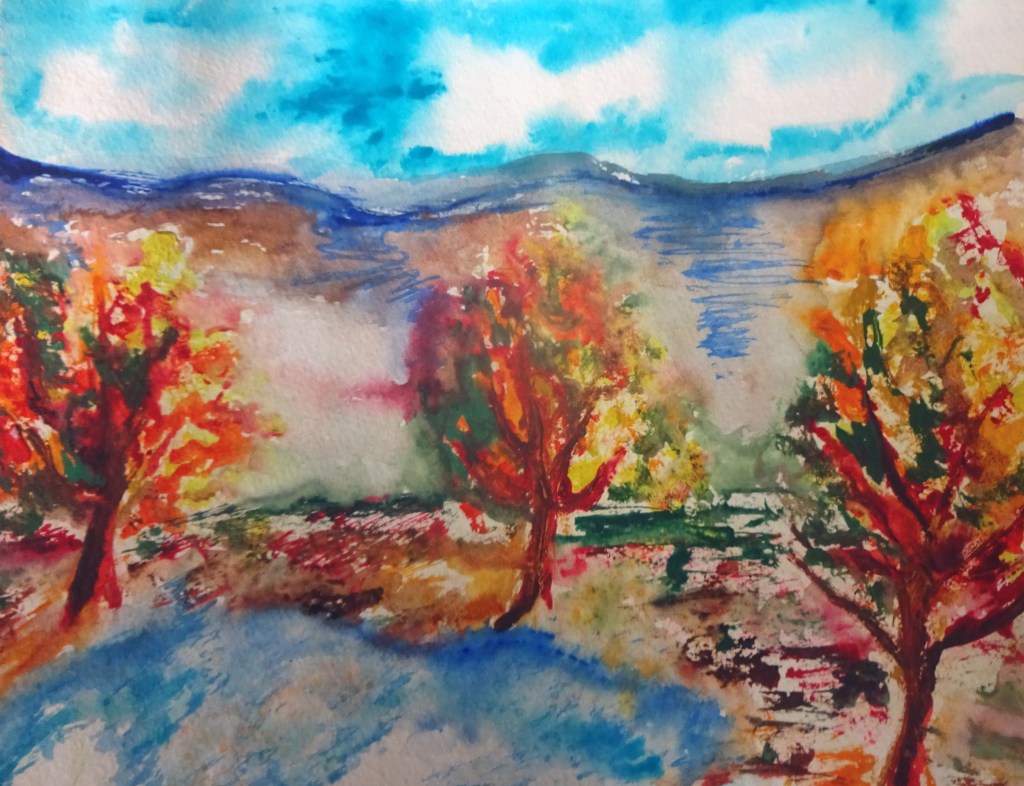
Anisosyllabic poetry refers to metrical systems in which each line of a poem contains a different number of syllables. Unlike isosyllabic verse—where line lengths are consistent and rhythm follows a regular pattern, such as the steady beat of iambic pentameter or trochaic tetrameter—anisosyllabic poetry embraces unevenness. Its lines expand and contract with the natural flow of thought, emotion, or imagery. This creates a rhythm that feels organic rather than mechanical, offering poets a greater sense of expressive freedom.
In anisosyllabic verse, variation replaces predictability. The absence of uniform line length invites the reader to experience poetry as a living soundscape rather than a structured march. This irregularity can mirror the unpredictability of nature, the movement of speech, or the rhythm of breath. It is often found in free verse, but it is not synonymous with it—while free verse abandons meter entirely, anisosyllabic poetry may still maintain a subtle rhythmic pattern or internal symmetry based on sound, image, or emotional cadence rather than strict syllable counts.
Sarah B. Royal’s poem “Whispers in the Breeze” is an elegant example of the anisosyllabic form. The poem’s syllabic structure—5, 6, 5, 9, 6, 7, 3—creates a natural ebb and flow that reflects the very subject it portrays: the shifting movement of wind through the natural world.
The breeze whispers soft,
through leaves and branches high.
It’s dancing in light.
Shadows stretch long, as daybreak winds sigh.
The stars peek through the clouds.
Night covers the breeze below.
Dreams take flight.
Here, the poem’s musicality arises not from a regular meter, but from variation. The shorter opening line (“The breeze whispers soft”) begins quietly, its brevity mirroring the gentle start of a breeze. As the poem progresses, the longer lines expand like the wind itself—especially in the nine-syllable line, “Shadows stretch long, as daybreak winds sigh.” The shift in rhythm mirrors the movement from dawn to night, from light to shadow, and from waking to dreaming. The final line, only three syllables long, “Dreams take flight,” serves as a release—a soft exhale at the poem’s close.
This fluctuation of line length captures the natural rhythm of wind and speech, avoiding artificial balance. The reader is carried forward not by a steady pulse, but by alternating tension and release. The anisosyllabic form thus becomes part of the poem’s meaning: the irregular rhythm reflects the organic, ever-changing nature of air, sound, and dream.
Beyond its formal structure, “Whispers in the Breeze” exemplifies how anisosyllabic poetry allows imagery to dictate rhythm. Rather than forcing language into a predetermined mold, the poet lets the imagery shape the flow of the lines. The effect is meditative and musical, like listening to the world breathe. Each line feels spontaneous yet purposeful, echoing the interplay between stillness and motion that defines both nature and poetry.
Historically, anisosyllabic tendencies have appeared in many poetic traditions. Classical Greek and Latin poets often varied their line lengths for dramatic or emotional effect. In the 19th and 20th centuries, poets such as Walt Whitman, Ezra Pound, and H.D. broke from traditional metrical patterns to create a freer, more expressive line—what Whitman called the “barbaric yawp” of poetry unbound. Contemporary poets continue this tradition, using anisosyllabic structures to emphasize breath, voice, and rhythm over strict formality.
Royal’s use of this approach reflects her broader philosophy of poetic innovation. Her body of work often explores constraint and freedom as partners rather than opposites, showing how form can be reshaped rather than rejected. In “Whispers in the Breeze,” constraint appears in the careful choice of line breaks and syllable counts, while freedom emerges in the poem’s flow and imagery. The result is a fusion of structure and spontaneity—a hallmark of her poetic style.
In essence, anisosyllabic poetry celebrates irregularity as a form of balance. It reminds readers that poetry need not march in even measure to achieve harmony; sometimes, beauty resides in the asymmetry of language. “Whispers in the Breeze” illustrates this truth with grace and simplicity. Its varying line lengths mimic nature’s quiet unpredictability and affirm poetry’s power to move like wind—sometimes whispering, sometimes sighing, always alive.

 WoPoLi
Leave a comment