
Eating in the Library is Not a Good Deed
I would like to read a book about green reeds.
Though I must wonder once the book is read,
do they then become red reeds?
Then I will read a book about good deeds.
Though I must wonder once the deed is done,
do they become dead deeds?
For if I read a book about healthy food that feeds,
after the food is eaten, the food is fed.
Just as after I read the book, the book is read.
It only makes sense then that all deeds once done
become dead, or is it ded?
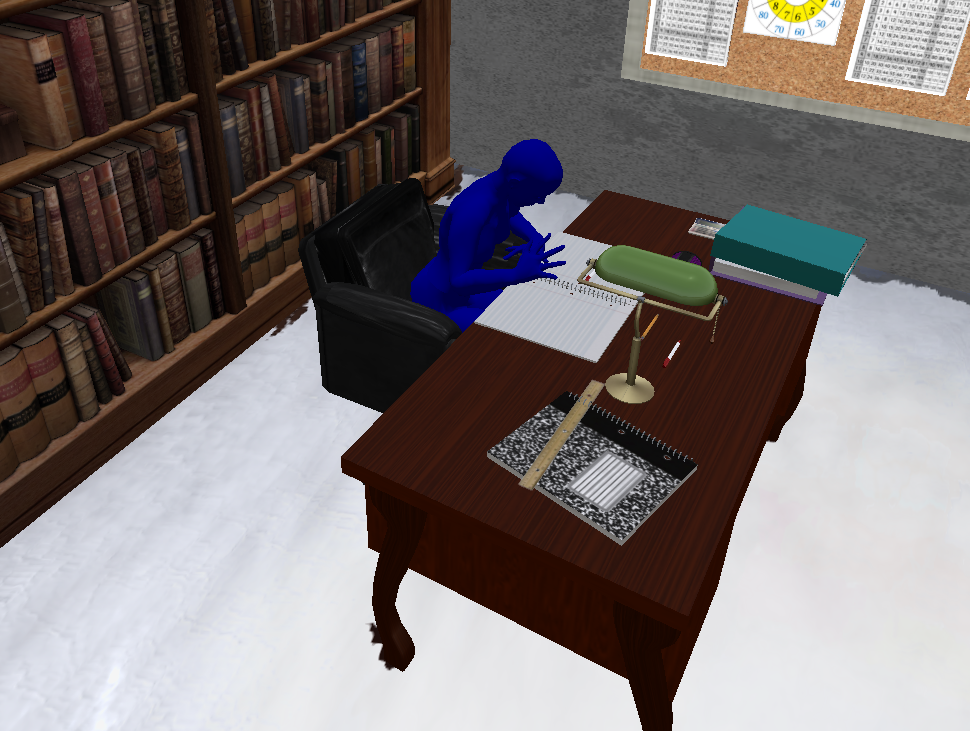
At first glance, the statement “Eating in the library is not a good deed” seems like a simple rule of etiquette. But when paired with the poem’s playful and philosophical exploration of language—particularly the tension between spelling, pronunciation, and meaning—it becomes a layered reflection on behavior, temporality, and linguistic ambiguity. This essay unpacks the poem’s constraint-based structure and its deeper implications, revealing how a seemingly mundane act like eating in a library can become a metaphor about the slipperiness of language itself.
The poem operates within a constraint of homophones, verb tenses, and orthographic shifts, using words like read/reed/red, deed/dead/ded, and feed/fed to explore how meaning changes over time. The speaker begins with a whimsical curiosity: “I would like to read a book about green reeds. Though I must wonder once the book is read, do they then become red reeds?” This line plays on the homophonic relationship between read (present) and read (past), and between reed and red, suggesting that the act of reading transforms not just the book, but the subject itself. The green reeds—symbols of life and nature—become red reeds, signifying change, or reinterpretation.
This linguistic transformation parallels the poem’s central concern: the nature of deeds and their aftermath. The speaker muses, “Then I will read a book about good deeds. Though I must wonder once the deed is done, do they become dead deeds?” Here, the shift from deed to dead (or ded, a phonetic spelling that emphasizes the sound over the standard form) suggests that once an action is completed, it loses its vitality. A good deed, once done, becomes a memory—a static artifact rather than a living force. This idea resonates with the poem’s critique of eating in the library: an act that disrupts the sanctity of a space devoted to quiet reflection and intellectual nourishment.
The library, in this context, becomes a symbol of preservation and respect. It is a place where books—repositories of past deeds, thoughts, and knowledge—are kept alive through reading. To eat in the library is to introduce a physical, consumptive act into a space meant for mental and cultural digestion. The poem’s logic suggests that just as food, once eaten, is fed, and books, once read, are read, deeds, once done, are dead. Eating in the library, then, is not a good deed because it accelerates the transition from living engagement to careless consumption. It treats the library as a cafeteria of convenience.
The constraint-based structure of the poem reinforces this message. By manipulating spelling and pronunciation, the poet draws attention to the fragility of meaning. Words that sound the same may carry vastly different implications depending on context and tense. Eating in the Library Is Not a Good Deed is more than a statement of etiquette. It is a constraint-driven meditation on the transformation of action, the mutability of language, and the importance of honoring spaces of learning and reflection.

 WoPoLi
Leave a comment