
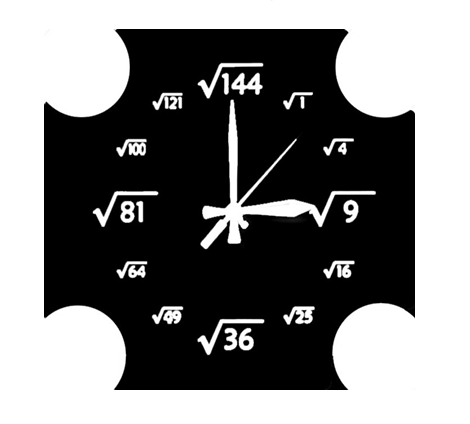
Tick-Tock
I have a time constraint. It is a tether so tight,
against which I fight in time’s ceaseless tide.
Bound by hours, my grip is slipping me into the night.
My feet are tired, I lose my grip, I need a ride.
The clock is ticking, tick-tock against me, the clock
is relentless to abide by an instance in echoes of seconds, yet-
chasing moments, for time will not wait, I hesitate—my rock,
I dance as time towers in ballrooms where eternity dances a duet.
Seconds fly by me, minutes in seconds glide,
where time collides, I’m running out of time,
slipping through my hands as I cry—as I slide.
no time to confide, I am tripping on this trip of mine,
in my absence, they find me, bind me, and chide me
Rock of ages, time in all its stages, now bereft.
Demands for time are hidden with nowhere to hide me
Time is a gift—too swift, I was deft but with no time left.
I’m pressed for time with a weight I carry on my soul,
I’m facing time limitations as I face the boundaries I set,
I’m in a race against time to reach the rock, my goal.
as I dance and twirl with hours and the hours whirl in a minuet,
I don’t have time on my side, this timeless truth is unveiled,
Tripping, running in a sprint so grand, take my hand!
My truth I wield, fleeting moments my shield, my goal, curtailed.
Footprints fade, falling desperately in shifting soil and sand.
The deadline is looming, a shadow cast, I will not last. Not this time.
The ebb of time, in truth time I make when I make time, and resilience can reside
as specter of time, relentless and vast, I try yet I am running out of time.
within constraints, possibilities collide, my rock created time and in eternity I abide.
Yet, amidst the ticking clock, a choice to make, my choice, my rock, I make.
Running out of rhyme even though time is working against me, I cry a poignant plea!
My Rock found me, and grounds me—embrace the race and let dreams not forsake
In split seconds I declare a truth I decree, I am not my past. It does not define me!
Tic-Tock: Time, Constraint, and the Poetics of Urgency
Sarah B. Royal’s poem Tic-Tock is a kinetic meditation on time’s tyranny and the human struggle to find meaning within its relentless march. Unlike her title constraint poems, Tic-Tock is built on a different kind of limitation: the time constraint itself. The poem’s form and content reflect the pressure of deadlines, the weight of fleeting moments, and the existential urgency that defines modern life. Through rhythmic repetition, metaphorical layering, and a spiraling structure, Royal transforms the ticking of the clock into a poetic pulse.
From the opening line—“I have a time constraint. It is a tether so tight…”—the speaker is immediately bound, physically and emotionally, by time. This tether is not abstract; it is felt in the body, in the slipping grip, the tired feet, the desperate plea for a ride. The poem’s early stanzas evoke a sense of drowning in time’s tide, where each second is an echo, each moment a missed opportunity. The phrase “tick-tock against me” becomes a refrain of resistance, a sonic reminder that time is not neutral—it is adversarial, pressing, and unyielding.
Royal’s use of ballroom imagery—“I dance as time towers in ballrooms where eternity dances a duet”—adds a surreal elegance to the poem’s tension. Time is not just a ticking clock; it is a towering partner in a cosmic waltz, both beautiful and overpowering. This metaphor elevates the struggle from mundane to mythic, suggesting that the race against time is also a dance with destiny.
The second stanza intensifies the urgency. “Seconds fly by me, minutes in seconds glide…” The speaker is slipping, sliding, crying—unable to confide, unable to pause. The line “Rock of ages, time in all its stages, now bereft” introduces a spiritual undertone. The “rock” becomes a symbol of stability, faith and purpose, that feels distant, lost amid the chaos. Yet this rock reappears throughout the poem, evolving from a goal to a grounding force, suggesting that even within constraint, there is a possibility of anchoring.
The third stanza explores the psychological toll of time pressure. The speaker is “pressed for time,” burdened by self-imposed boundaries, racing toward a goal that seems increasingly out of reach. The imagery of dancing and twirling with hours, of footprints fading in shifting soil, evokes a sense of impermanence. Time is not just passing—it is erasing. The speaker’s efforts, no matter how grand, risk being forgotten, lost to the sands of time.
Yet the final stanza offers a shift—from despair to defiance. “The deadline is looming… I will not last. Not this time.” The speaker acknowledges the looming end, but also reclaims agency: “Time I make when I make time.” This paradox—of creating time within constraint—suggests that meaning is not found in escaping time, but in engaging with it deliberately. The rock, once distant, is now a source of strength: “My Rock found me, and grounds me.” The poem ends with a declaration: “I am not my past. It does not define me.” This line breaks the cycle of regret and reasserts identity beyond time’s grip.
Stylistically, Tic-Tock is a whirlwind. Its enjambment, internal rhyme, and cascading syntax mirror the breathless pace of a life lived under pressure. The poem’s structure—four stanzas of increasing intensity—mirrors the arc of a deadline: anticipation, panic, collapse, and resolution. Royal’s language is both lyrical and raw, balancing poetic beauty with emotional immediacy.
Tic-Tock is a poem about resilience within constraint. It captures the anxiety of time slipping away, the weight of expectations, and the possibility of redemption through choice and self-definition. It reminds us that while time may be relentless, it is also a canvas—and that even in the final seconds, we can declare who we are. Royal’s poem is not just a reflection on time—it is a race, a dance, a cry, and ultimately, a triumph.

 WoPoLi
Leave a comment