
Autistic Poetry: A Voice of Uniqueness and Understanding
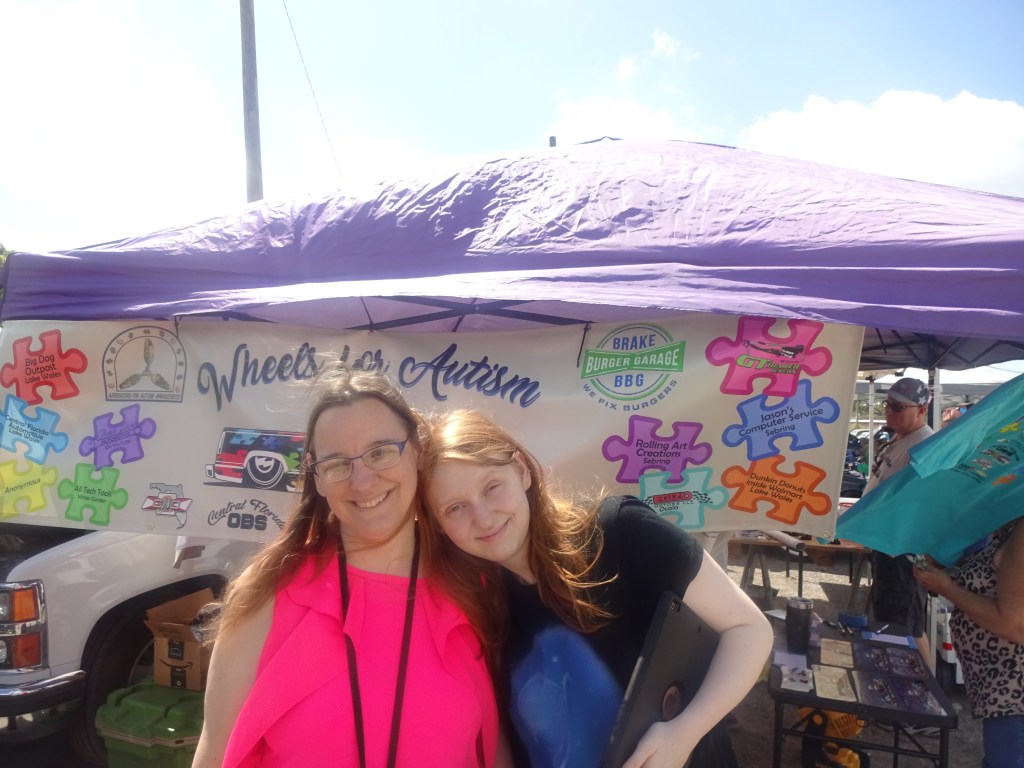
Autistic poetry reflects the richly varied inner worlds of those whose minds process life differently. It is a literary form that moves beyond conventional perspectives, offering insight into cognitive diversity, emotional nuance, and the lived experiences often hidden beneath societal expectations. These poems are not merely artistic expressions—they are acts of self-definition and cultural resistance.
Autistic poetry highlights deep introspection, heightened sensory perception, and emotional complexity. Rather than following traditional poetic logic or structure, these works often employ nonlinear thought patterns, repetition, unique syntax, or shifting imagery to convey truths that might be difficult to express through other means. The result is a body of work that feels raw, immediate, and deeply human—unfiltered by neurotypical expectations.
A major strength of autistic poetry lies in its celebration of difference. Instead of conforming to typical norms, this poetry embraces alternative ways of thinking and being. It challenges the assumption that deviation from the norm implies deficiency. Instead, it asserts the inherent value of diversity in thought, behavior, and perception. These poems are not asking for permission to exist—they are declaring their right to be heard.
This genre acts as a bridge for empathy, allowing readers to encounter realities that may be unfamiliar or misunderstood. Through vivid language and unique structural choices, autistic poets give voice to sensory sensitivities, emotional overwhelm, communication differences, and the complexities of identity. These expressions invite a shift in societal attitudes—away from judgment and toward understanding and inclusion.
Autistic poetry does not dwell solely in struggle. It also sings of resilience, self-advocacy, and the strength found in self-acceptance. Whether through affirmations of worth, challenges to social norms, or depictions of daily victories, this poetry reclaims language as a tool of empowerment. It is a genre that insists on dignity, complexity, and joy.
Autistic poetry is a movement. It is a testament to the power of voice, the richness of neurodiversity, and the importance of making space in the literary world for all minds to be heard, honored, and celebrated.
Sarah B. Royal’s Neurodivergent Poetic Voice
Sarah B. Royal’s autistic and neurodivergent poetry is a bold, introspective exploration of identity, perception, and emotional resilience. Her work challenges societal assumptions about neurodivergence and reclaims poetic form as a space for complexity, clarity, and self-definition. She writes to express and reframe—offering new ways of seeing and being.
Royal’s poetry reflects her lived experience as a neurodivergent individual, particularly through sensory depth and nonlinear thought. Her poems mirror the intensity of autistic perception—where sensory inputs overlap, surge, and sometimes overwhelm. This is expressed through layered imagery, abrupt shifts in tone, and unconventional structure that resists simplification.
Her emotional candor is matched by intellectual resistance. Royal writes with defiance against the pathologizing of neurodivergence, offering instead a celebration of difference, insight, and creative power. Her work is emotionally raw yet precise, challenging readers to confront their assumptions and expand their empathy.
She also fuses form and identity through her use of haiku, tanka, palindrome, and experimental verse. These structures reflect a neurodivergent logic—where patterns, symmetry, and disruption coexist. Her poetic forms become tools for navigating internal landscapes and external pressures, offering both containment and freedom.
In Watchword: Neurodivergent Poetry & Analysis (2024), Royal directly engages with neurodivergent identity. The collection explores self-acceptance, societal misunderstanding, and the emotional resilience required to live authentically. Described as “tender reflections of youth” and “wisdom gained with age,” it offers a full-spectrum view of autistic experience.
Her collection Haiku For You, Lantern and Tanka Too uses Japanese poetic structures to express neurodivergent rhythms of thought and feeling. The brevity and precision of haiku and tanka allow Royal to distill complex emotional states into crystalline moments, making space for clarity within chaos.
In Celestial Conversations and Stellar Musings, Royal uses cosmic metaphor to explore themes of isolation, connection, and perception—central to many autistic experiences. While not explicitly labeled as neurodivergent, the work resonates with the emotional and philosophical textures of autistic thought.
Royal’s poetic architecture often includes mirrored forms and palindromes, as seen in her play 777: A Story of Idol Worship and Murder. These structures reflect the recursive nature of autistic thought and the beauty of pattern recognition. Her poems may resist linear storytelling, instead offering associative leaps and layered meanings that mirror the complexity of neurodivergent cognition.
She also integrates visual art into her literary work, designing her own book covers and internal illustrations using her own photography, paintings, and digital compositions. This visual integration extends the poetic voice into space and form, creating a multisensory experience that reflects the richness of neurodivergent perception.
Sarah B. Royal’s neurodivergent poetry is not just personal—it’s political. Her work challenges ableist norms by refusing to simplify or sanitize neurodivergent expression. She amplifies underrepresented voices, especially those of late-diagnosed or misdiagnosed women, and creates space for empathy and understanding.
Her poetry is a testament to the power of language to hold contradiction, complexity, and truth. It’s about being seen—it’s about seeing differently. Through her work, Royal invites readers into a world where neurodivergence is not limitation but a lens—one that refracts light in new and necessary ways.

 WoPoLi
Leave a comment