
Onomatopoeia is a poetic device in which words imitate the natural sounds associated with the objects, actions, or phenomena they describe. By echoing these sounds, onomatopoeic words create a vivid auditory experience for the reader or listener. Examples include the buzz of a bee, the crash of a falling object, or the rustle of leaves. Onomatopoeia is often employed in poetry, storytelling, comics, and performance-based works to heighten realism, evoke emotion, and engage the auditory imagination.
In poetry, onomatopoeia serves not only as a descriptive tool but also as a bridge between language and sound. By mimicking real-world noises, poets can make the act of reading feel immersive and immediate, appealing simultaneously to sight and hearing. When combined with rhythm, repetition, and strategic placement, onomatopoeic words can function as miniature soundscapes, conveying mood and atmosphere beyond literal meaning.
Sound poetry expands on this concept by emphasizing the phonetic and auditory qualities of language over semantic meaning. It often uses repetition, invented syllables, vocalizations, and rhythm to create musical or emotional effects. The focus is not just on what words mean, but on how they resonate, how they can be performed, and how they inhabit physical space through sound. Sound poetry is experimental, avant-garde, and performance-oriented—blurring the boundaries between speech, music, and noise.
Key characteristics of sound poetry include:
Focus on sound over meaning: Words are chosen for their sonic effect rather than semantic content.
Use of non-words or invented syllables: Sounds like blop, zang, or urrgh create texture and rhythm.
Performance orientation: Often designed to be read aloud, sometimes with movement or musical accompaniment.
Experimental approach: Challenges conventional language structures, exploring the limits of expression through voice.
Famous practitioners of sound poetry include Hugo Ball of the Dada movement, known for his phonetic poem Karawane; Bob Cobbing, who combined visual and vocal experimentation; and Jaap Blonk, a contemporary performer celebrated for dynamic vocal improvisation.
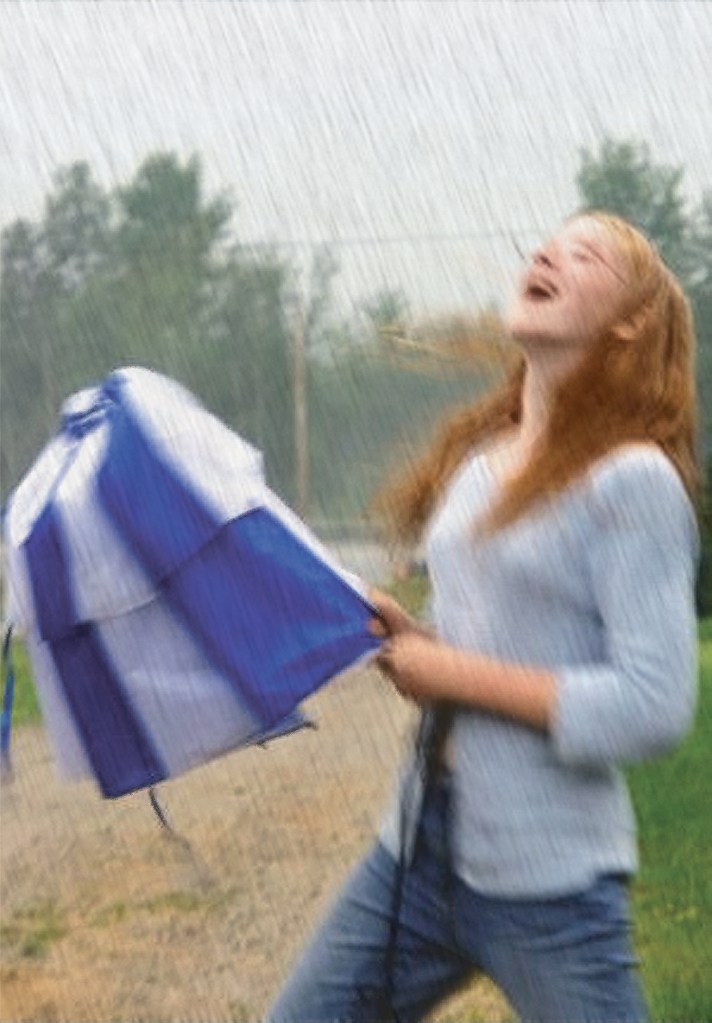
An Onomatopoeia: Sound Poetry- Rain Music
The raindrops fall, to a gentle beat,
Pitter-patter, A lullaby to soothe and greet,
Drip, drip, their melody, a mournful sound,
Splish, splash, Yet in its sorrow, peace is found.
Splatter.
A song of tears, it softly weeps,
Pitter-patter and through the night, its rhythm keeps,
tap, tap, tap, A lovely sound, it makes you cry,
Splish, and in its sadness, you may lie.
Drip, Splash, Splatter.
But in its sorrow, there is beauty,
Tap, tap, tap, A cleansing balm, a sacred duty,
Drip, splish, splash, To wash away the stains of pain,
Splatter, and in its wake, new life to gain.
Pitter-Patter.
So let the rain sing its song,
Drip, Drip, And let its rhythm carry on,
Splish, Splash, Splatter, For in its sadness, it brings relief,
tap, tap, tap, A gift of hope, a balm for grief.
Pitter-Patter.
Embrace the tears that gently fall,
Tap, tap, tap, They cleanse the soul, the heart enthrall,
Splish, Splash, Amidst the darkness, a soothing grace,
Splatter, The rain’s embrace, a gentle trace.
Pitter-Patter
In every drop, life’s story is told,
Splish, Splash, Of joys and sorrows, dreams so bold,
Pitter-patter, it dances on the ground,
Drip, Drip, And with its touch, healing is found.
Splatter.
So listen to the rain’s soft plea,
Tap, tap, tap, Let it wash away what shouldn’t be,
Drip, drip, And as it sings its melodic refrain,
Splish, splash, Splatter, Know that after the tears, there’s hope to gain.
Pitter-Patter
For in the rain’s melancholic rhyme,
Splish, Splash, Lies the promise of a brighter time,
Pitter-patter, it whispers on the earth,
Tap.,Tap, tap, A gentle reminder of life’s worth.
Splatter.
Pitter-patter, let the raindrops fall,
Tap, tap, tap, let them serenade us all,
Drip, Drip, Their rhythm echoes through each day,
A symphony of emotions, come what may.
Splish, Splash, Splatter.
The poem Rain Music illustrates how onomatopoeia and sound poetry can work together to evoke both emotion and atmosphere:
The raindrops fall, to a gentle beat,
Pitter-patter, a lullaby to soothe and greet,
Drip, drip, their melody, a mournful sound,
Splish, splash, yet in its sorrow, peace is found.
Splatter.
In this example, the onomatopoeic words—pitter-patter, drip, splish, splash, splatter—mimic the sounds of rain while creating rhythm, repetition, and musicality. The poem uses the auditory qualities of language to evoke emotional resonance, suggesting sorrow, cleansing, and eventual hope. As the rain falls, its sound becomes a metaphorical balm:
Tap, tap, tap, a gift of hope, a balm for grief.
By foregrounding sound over literal meaning, the poem transforms rain into a multi-sensory experience. The reader or listener does not merely visualize rain—they hear it, feel it, and emotionally respond to its presence. The repeated onomatopoeic words act as a refrain, reinforcing both the physical rhythm of rain and the emotional cadence of the poem.
Onomatopoeia and sound poetry celebrate the sonic dimension of language. They remind us that poetry is not only read—it is performed, felt, and embodied. Through the careful interplay of sound, rhythm, and meaning, poets create immersive experiences that connect readers to the natural world, human emotion, and the very musicality of language itself.
Edith Sitwell’s Façade (1923), pushed sound poetry to it’s farthest limits where poetry was performed rhythmically or musically, often with nonsense syllables, chant‑like phrasing, and instrumental accompaniment.
Sitwell’s Façade is now considered one of the foundational works of British sound‑poetry performance, overlapping with modernism, Dada, and spoken‑music hybrids. Sitwell’s poems in Façade were explicitly described as “musico‑poetic” and “experimental in the meaningful nonsense style of Lewis Carroll”

 WoPoLi
Leave a comment