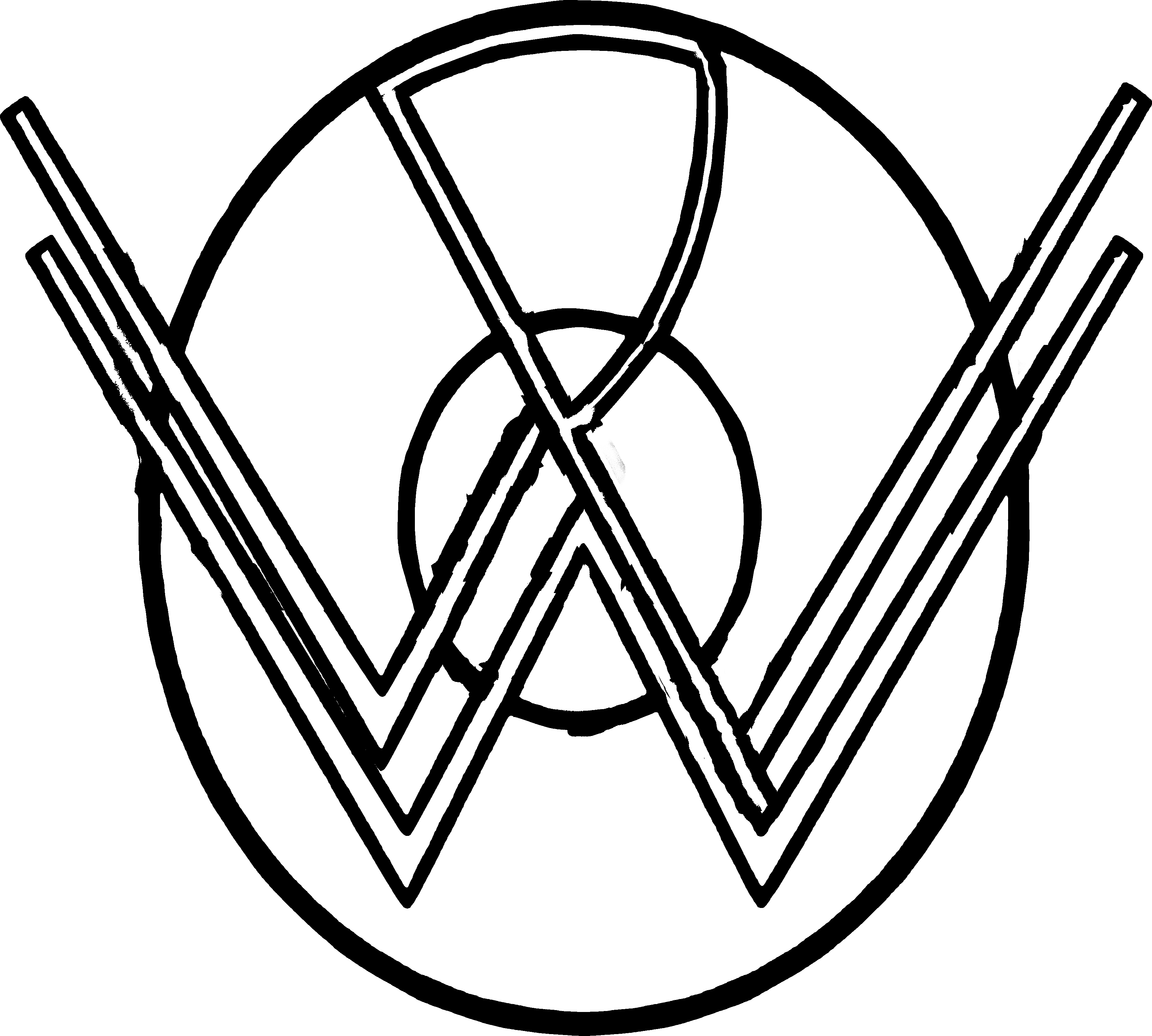
Asemic Writing: Meaning Beyond Words
Asemic writing is a wordless, open-form style of writing that resembles language without communicating a fixed, translatable message. It may contain marks, strokes, symbols, or script-like forms, but these elements do not combine into a specific sentence or readable statement. The term is commonly associated with Greek roots meaning “without sign” or “without meaning.” However, asemic writing is not necessarily meaningless. Instead, it transfers meaning-making from the writer’s deliberate message to the viewer’s personal experience and interpretation. Asemic writing therefore exists between writing, drawing, and visual poetry.
One of the defining features of asemic writing is its resemblance to written language. It may imitate handwriting, calligraphy, letters, punctuation, paragraphs, or the layout of a page, yet it remains unreadable through ordinary linguistic methods. Its meaning is created through gesture, rhythm, line, spacing, texture, movement, and visual arrangement. A viewer may not be able to translate the marks, but may still experience them as urgent, peaceful, mysterious, emotional, or spiritual. In this way, asemic writing encourages people to move between reading and looking. It can invite viewers from different linguistic backgrounds into the same visual experience, although each person may interpret the work differently.
Although the contemporary asemic movement developed more visibly in the late twentieth century, it has connections to earlier artistic practices. Abstract calligraphy, surrealist experimentation, automatic writing, children’s mark-making, graffiti, and other forms of illegible or invented script helped create an artistic environment in which writing could be valued for its appearance and gesture rather than its literal meaning. Visual poets Tim Gaze and Jim Leftwich are widely associated with applying the term “asemic” to quasi-calligraphic works during the late 1990s. Gaze’s publication Asemic, first issued in 1998, helped develop and circulate the movement, while online communities later expanded its reach internationally. Network Cultures and JSTOR both discuss the modern development of the term and movement.
Asemic writing also has important artistic predecessors and related examples. Argentine artist Mirtha Dermisache created books, letters, newspapers, and other publications filled with marks that resembled writing but could not be conventionally read. Her work demonstrated that illegible writing could still possess rhythm, structure, emotion, and visual authority. It challenged the assumption that writing must communicate a clearly stated verbal message in order to be meaningful as art. The Museum of Modern Art and the University of Edinburgh’s library collection identify Dermisache as an important figure in the history of asemic and illegible writing. Another well-known example is Luigi Serafini’s Codex Seraphinianus, an illustrated encyclopedia of an imaginary world first published in 1981. Its invented script appears to document a real language while remaining unavailable for ordinary translation, creating the sensation of encountering a book from a world one cannot understand.
Asemic writing can serve many purposes. Artists may use it to explore the limits of language, stimulate creativity, meditate, or express feelings that ordinary words cannot contain. Because it does not depend upon a particular spoken language, it can also suggest a form of nonverbal communication. Yet its openness does not mean that every viewer will experience it in the same way. One person may see a private letter, another may see a sacred text, and someone else may see movement, music, or emotional pressure. The work remains open because no single interpretation is imposed as the final answer.
Ultimately, asemic writing challenges the traditional expectation that writing must be decoded in order to be understood. It demonstrates that writing can be experienced through the hand, the eye, the body, and the imagination as well as through literal language. Its marks may not identify specific people, places, or events, but they can still evoke memory, mystery, order, confusion, beauty, and emotion. Asemic writing therefore transforms the act of reading into a shared creative process. The artist provides the gesture and visual form, while the viewer completes the experience by bringing personal meaning to what cannot be fixed into words.


Leave a Reply