Conceptual and Satirical Writing in Poetry
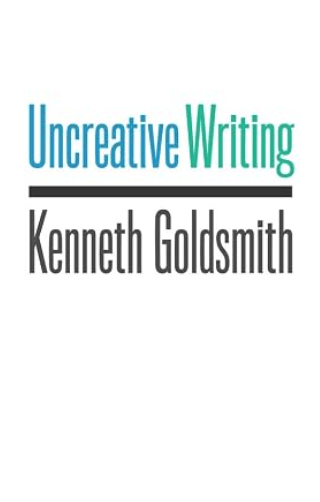
Conceptual writing is a modern poetic style that prioritizes the idea or process behind a work over its traditional linguistic content. It often uses constraints, procedures, or external concepts to shape the text, and may be nonreadable in the conventional sense — the reader is expected to think about the concept rather than decode words. This approach can draw from movements like Oulipo, concrete poetry, and conceptual art, and is associated with poets such as Kenneth Goldsmith, Robert Fitterman, and Vanessa Place. In its purest form, conceptual poetry can be “uncreative” — reworking existing texts, using appropriation, or generating works through mechanical or algorithmic processes. It often blurs genre boundaries and challenges the definition of what constitutes “poetry.”
Satirical writing in poetry uses humor, irony, exaggeration, or absurdity to critique, mock, or expose flaws in society, politics, or human behavior. The poet’s use of puns and absurdity to critique authoritarianism is a satirical strategy — the humor and illogic serve as a vehicle for political commentary, often making it harder for authorities to suppress directly. Satire in poetry can be subtle or overt, but it always relies on the reader’s ability to recognize the underlying critique.
When conceptual and satirical elements meet in poetry, the result can be a work that is both intellectually engaging and politically subversive. The conceptual framework provides the structure or process, while satire delivers the critical message through humor, irony, or absurdity. The conceptual approach (e.g., using constraints, visual or textual puzzles) may be paired with satirical devices (puns, absurd scenarios) to critique politically sensitive topics such as authoritarianism, socialism and communism in a way that is both resistant to censorship and thought-provoking for the reader. This blend can make the work resistant to straightforward interpretation, aligning with the “thinkership” model of conceptual writing.


Leave a Reply