List
A list poem is a poem built through accumulation. It gathers names, objects, images, actions, memories, questions, complaints, blessings, losses, or details into a shaped sequence. A list poem may look simple, but its power comes from order, pressure, rhythm, surprise, and the way one item changes the meaning of the next. A list poem often includes repetition, parallel structure, cataloging, fragments, sensory detail, and a sense of gathering momentum. The list may be comic, sacred, angry, tender, absurd, documentary, or elegiac. It may list what is loved, what is missing, what was lost, what must be done, what should be remembered, or what cannot be forgiven.
To write a list poem, choose the kind of list first. Decide whether the list will expand, narrow, intensify, contradict itself, or turn at the end. Do not make the poem merely a record. Let the order create meaning. A strong list poem often begins plainly and then reveals a deeper emotional pattern.
Things the Rain Took
The chalk from the walk,
the dust from the jar,
the smoke from the road,
the heat from the stone,
my anger,
almost.
“Things the Rain Took” follows the list poem form by gathering a series of things changed or removed by rain. The final item, “my anger, / almost,” turns the list inward and gives the poem emotional weight.
A list poem may be written in lines, prose poetry, fragments, chant, prayer, inventory, recipe, or catalogue. The poet may break the rule by including one item that does not seem to belong, provided that strangeness opens a new meaning. The list poem is a traditional poetic strategy rather than a fixed inherited form.
A list poem can also come from an actual list!
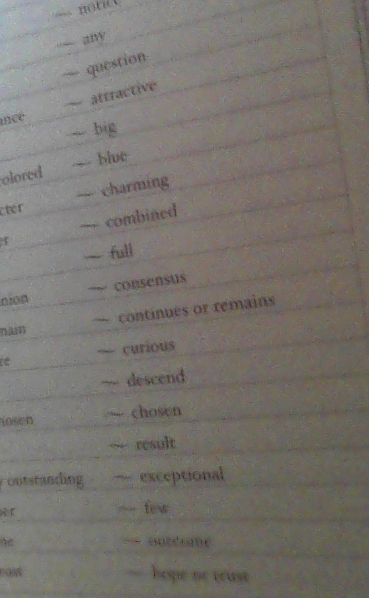
Better
Notice any question,
Attractive, big or blue,
Charmingly combined
with full consensus.
Remain curious!
Descend the chosen result.
An exceptional few’s
outcome is hope.
Found List poetry, like found art, elevates everyday materials by context and arrangement, found list poetry blends found poetry’s collage method with the structure and cadence of list poems. The poet “finds” language from existing sources—such as articles, signs, posts, or conversations—and reorders, trims, or reframes it into a poem built from discrete entries or directives, often cumulative and thematic like a list. The result emphasizes selection, sequence, and juxtaposition over original wording, echoing found art’s transformation of everyday materials into a new aesthetic context. In the above example I used pre-existing text as raw material, a list in a book. I preserved original wording where possible; used line breaks and white space to steer emphasis and used connecting words when needed.


Leave a Reply