Prose Poems and Typographical Experiments
Prose poetry is not just written or spoken words. It is a literary form that presents poetic qualities—such as imagery, metaphor, rhythm, and emotional intensity—without the line breaks of traditional verse. It is written in prose form but retains the lyricism and expressive density of poetry, often using poetic devices like repetition, alliteration, and symbolic.
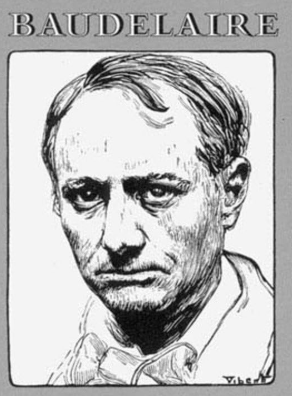
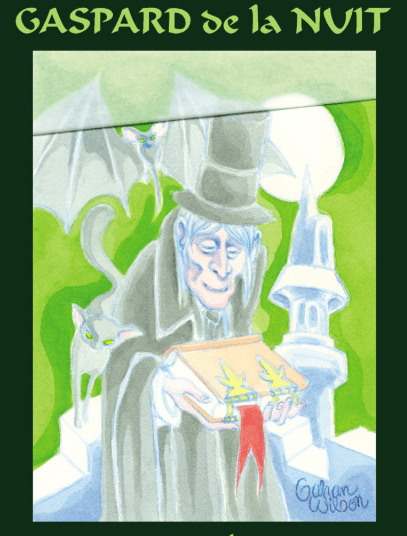
The form emerged in the 19th century, notably in France with works like Aloysius Bertrand’s Gaspard de la nuit and Charles Baudelaire’s Le Spleen de Paris, and has been embraced by modernists and experimental writers for its flexibility and emotional range
Typographical experiments in prose poetry involve manipulating the visual and structural elements of the text to challenge reader expectations. This can include: Dislocated typography—shifting words or phrases out of their normal reading order to disrupt linear comprehension. Correction tape transcriptions—using the visual texture of correction tape to overlay or alter text, creating a layered, fragmented effect. Aphorisms and fragmented sentences—short, punchy statements that resist conventional narrative flow. Non-linear layouts—arranging text in grids, spirals, or overlapping columns to engage the eye as much as the mind.
These techniques are often employed to blur the line between poetry and prose, inviting readers to interpret meaning through both linguistic and visual cues. It can challenge fixed reading patterns, encouraging active engagement rather than passive consumption. It often evokes emotional or sensory responses through the interplay of form, sound, and image.
In works like Poetic Justice, such methods combine the expressive freedom of prose poetry with the visual disruption of typographical experimentation. The result is a text that is both intellectually stimulating and aesthetically provocative, where the form itself becomes part of the meaning. This approach aligns with broader experimental traditions in modernist and postmodernist literature, where form and content are inseparable.
THE TULIP MERCHANT.
The tulip is among flowers
what the peacock is among birds.
One is without perfume, the other is speechless
; one is proud of her dress,
the other of her tail.
The Garden of Rare and
Curious Flowers.
There is no sound, except the rustling of vellum sheets under the fingers of Dr. Huylten, who did not take his eyes off his littered Bible Gothic illuminations than to admire the gold and purple of two Captive fish in the moist sides of a bowl.
The leaves of the door rolled: it was a florist who, with several pots of tulips, apologized for interrupting the reading of such a learned personage.
“Master,” said he, “here is the treasure of treasures, the marvel of treasures.” marvels, an onion such as never blooms more than once a century in the seraglio of the Emperor of Constantinople!
“A tulip!” cried the angry old man, “a tulip! This symbol of pride and lust which have engendered in the unfortunate city of Wittenberg, the detestable heresy of Luther and Melanchthon!”
Master Huylten stapled the tin of his Bible, put his spectacles in the and drew the curtain of the window, which let the sun see a flower of passion with its crown of thorns, its sponge, its whip, his nails and the five wounds of Our Lord.
The tulip merchant bowed respectfully and silently, disconcerted by an inquisitive look from the Duke of Alba, whose portrait, masterpiece of Holbein, was hung on the wall.
From Aloysius Bertrand’s Gaspard de la nuit


Leave a Reply