Visual-Poetic Integration
Visual-poetic integration refers to the deliberate and meaningful combination of poetry and visual art so that both elements—text and image—mutually inform, enhance, or transform each other. In this approach, the poem is not simply accompanied by an illustration, but is conceived alongside it, with the visual form shaping the reading experience and the verbal content influencing the visual composition.
Interdependence of text and image is a Core Characteristic. The meaning is often derived from the interaction between words and visuals, rather than from either alone and focuses on form as content. This includes typography, layout, color, and composition which are integral to the poem’s meaning, sometimes as central as the words themselves. Readers engage in an expanded interpretation with both verbal and visual cues simultaneously, leading to layered or multiple interpretations. It uses cross-medium influence, where the visual art may respond to or reinterpret the poem (as in ekphrasis), while the poem may be shaped by the artist’s visual style or the artwork’s subject.
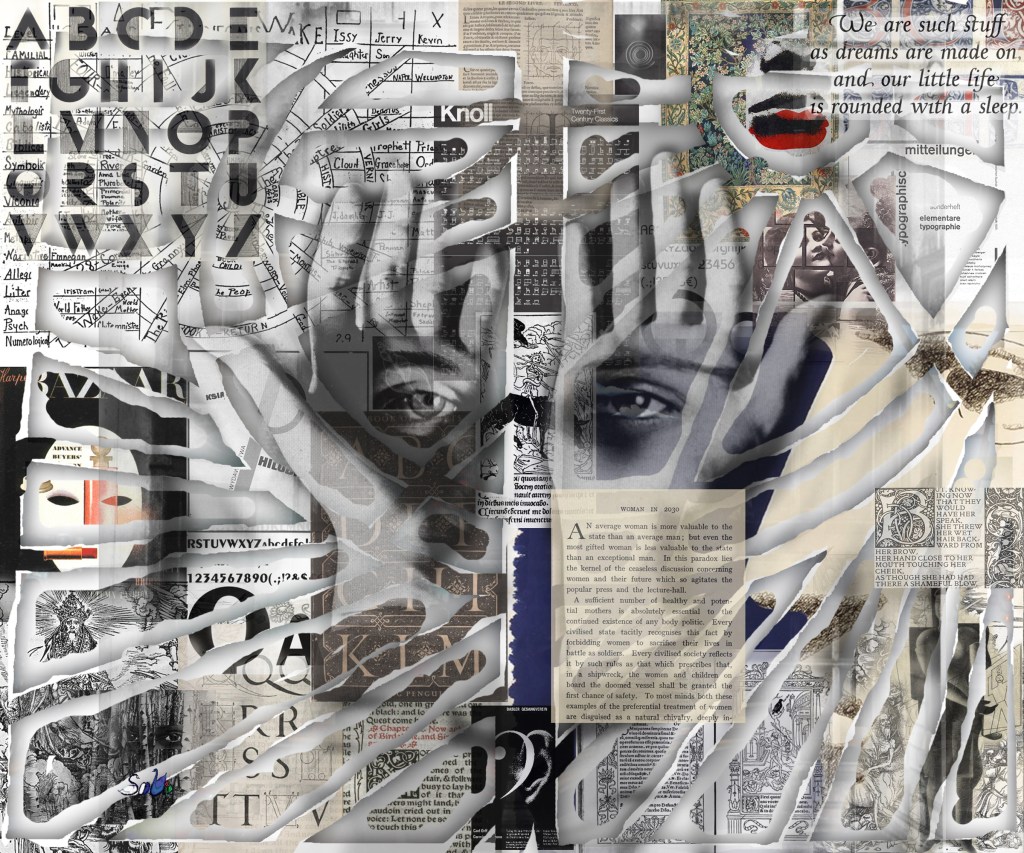
Visual poetry is one form where the arrangement of letters, words, and images is as important as the language itself, ranging from shaped poems to abstract typographic works. Ekphrasis is poetry that responds to a specific visual artwork, often revealing new insights into the image. Collage and intermedia works combine text with cutouts, diagrams, or layered images to create a unified, multi-sensory experience. Graphic novels and illustrated poetry is where verse and visuals are co-created to tell a story or convey a theme.
Visual-poetic integration challenges the traditional separation of literary and visual arts, creating works that are more than the sum of their parts. It invites audiences to engage with both senses, fostering deeper emotional and intellectual responses. For a graphic artist whose poetry is accompanied by visual art, this approach ensures that the text and image are not just paired but co-constitutive of the final work. Visual-poetic integration is the artful fusion of poetry and visual design, where the two media work together to produce a richer, more immersive experience than either could alone.


Leave a Reply