Collaborative and Co‑Authored Works in Poetry
In poetry, collaborative or co‑authored works refer to poems, books, or projects created by two or more authors who jointly contribute to the creative process. This can involve shared drafting, revision, and synthesis of ideas, often aiming to produce a unified voice while still preserving each contributor’s individual style. This multiple authorship requires at least two writers who are credited and involved in the creation. The shared process can be through contributions that may be made sequentially (e.g., line‑by‑line), in parallel, or through iterative feedback. This creates a collective voice. The work often emerges as a synthesis of the authors’ voices, sometimes creating a “third voice” distinct from either individual.
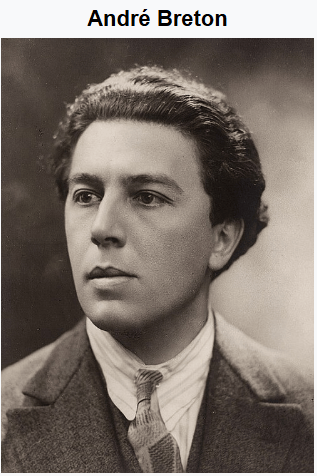
Creative techniques and methods can include the Exquisite Corpse (collective word/image assembly), chain poems (each poet adds a line to a line sent by another), or collaborative editing. Examples are Démarche of Enthusiasts (1985), a collaborative project between Sergei Dovlatov and Naum Sagalovsky, involving shared themes, drafting, and revision to produce a unified poetic statement, and Signac under the Eye: Pointillaviv Poem (1986) is another co‑authored work, reflecting the collaborative style of its contributors, blending individual styles into a cohesive piece. Ralentir Travaux (1930) is famous Surrealist collaboration by André Breton, Paul Éluard, and René Char, written over five days. Exquisite Politics (1997) was a long‑term collaboration between Denise Duhamel and Maureen Seaton, producing three co‑authored books.
Collaborative poetry challenges the Romantic ideal of the solitary poet, emphasizing communal creativity, reciprocity, and cultural exchange. It can serve artistic innovation, social commentary, or personal exploration, and often results in works that are richer and more layered than those of a single author. Collaborative and co‑authored poetry is about shared authorship and co‑creation, where the final work is the product of multiple minds working together, often producing something that transcends the sum of its parts.


Leave a comment